What Did Winter Do to Your Home? A Post-Season Checkup for Toronto Homeowners
At Craftsman Renovations Ltd, we’ve spent the last 19 years seeing exactly how our local climate impacts urban homes. Here is what the frost might have left behind and what you should look for before the spring rains truly arrive.
Read Time
6 minutes
Last Updated
March 12, 2026
Published on
March 9, 2026
Written by
Jeremy Stubbs
Founder
The snow is receding, the Leslieville streets are clearing, and that familiar damp Toronto spring air is settling in. While we’re all eager to trade our parkas for light jackets, your home might still be nursing a winter hangover.
In the tight-knit neighbourhoods of Toronto’s east end—from the historic bricks of Cabbagetown to the classic semis of Riverside and the Beaches of Leslieville—winter isn't just a season; it’s a structural stress test. At Craftsman Renovations Ltd, we’ve spent the last 19 years seeing exactly how our local climate impacts urban homes.
Here is what the frost might have left behind and what you should look for before the spring rains truly arrive.
The Hidden Culprit: Ice Damming
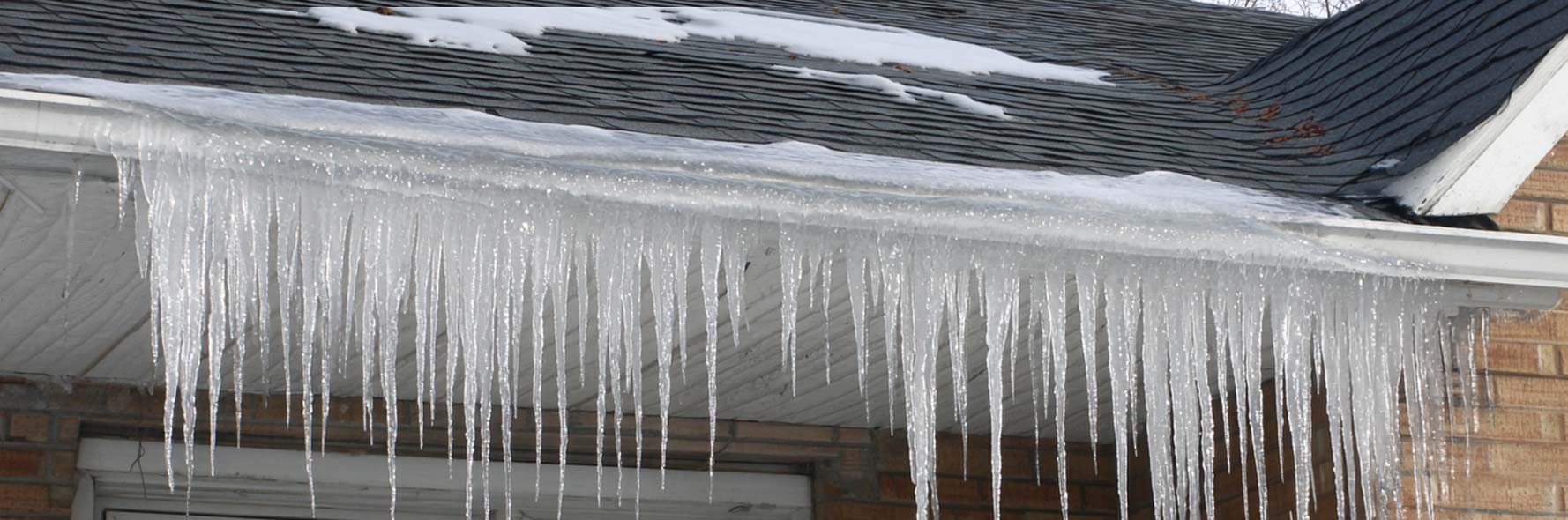
If you noticed massive icicles hanging from your gutters this January, your roof likely experienced ice damming. This happens when heat escaping from your attic melts snow on the roof, which then refreezes at the colder eaves, creating a barrier.
The Damage: This ice "dam" forces liquid water up under your shingles and into the plywood sheathing.
What to look for: Water stains on upper-floor ceilings, peeling paint around window frames, or damp insulation in the attic.
Long-term risk: Left unaddressed, this rots your roof deck, creating the perfect environment for mould growth behind your drywall.
Parging Failure & Foundation Cracks
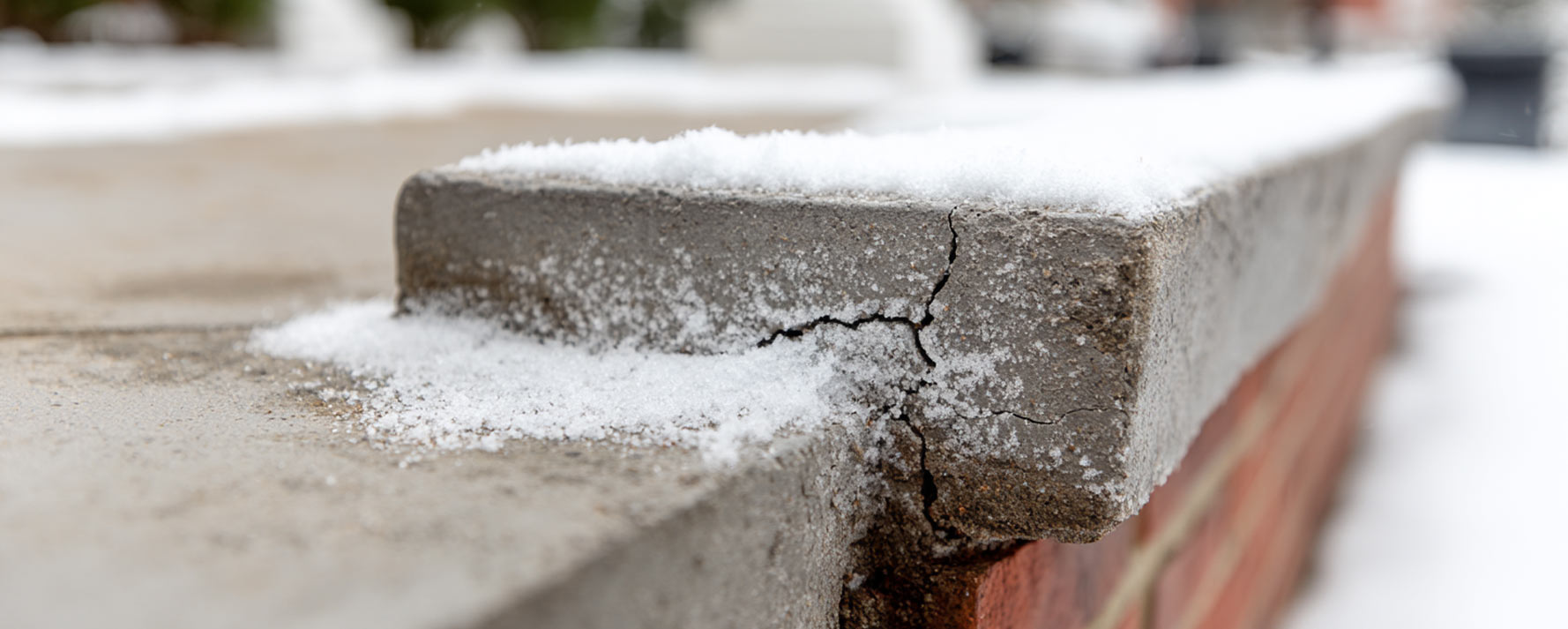
The "freeze-thaw" cycle is brutal in the city core. Water gets into tiny hairline cracks in your foundation or your parging (the decorative masonry coating over your exterior foundation) and expands as it turns to ice.
The Damage: Pop-outs in your parging or widening cracks in your brickwork.
The Fix: Don't just slap new cement over it. We need to ensure moisture isn't trapped behind the finish, which can lead to "spalling", where the face of the brick or concrete literally flakes off.
The "Urban" Factor: Many homes in our area share party walls; if your neighbour’s parging is failing, it can often lead to moisture migrating into your unit as well.
Hydrostatic Pressure: The "Wet Floor" Syndrome
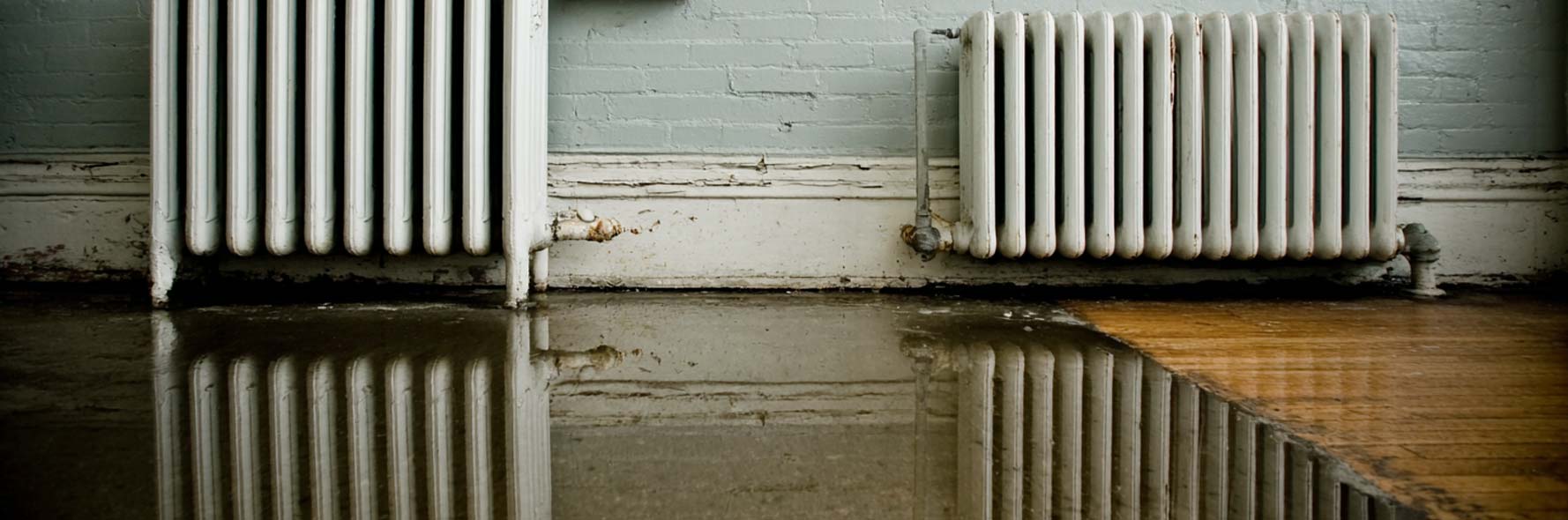
As the massive snowbanks finally melt, the ground becomes saturated. This creates hydrostatic pressure, where the weight of the water in the soil pushes against your basement walls and floor with immense force.
What to look for: Damp spots on the basement floor, a musty smell in the cellar, or "efflorescence" (that white, salty powder on the bricks).
The Vulnerability: In older East End homes with rubble or original brick foundations, this pressure can actually force water through the floor-wall joint (the cove) or even up through cracks in the concrete slab.
The Forgotten Hose Bib
It’s the most common "oops" in Toronto. If a garden hose was left attached or the interior shut-off wasn't engaged, the water inside the pipe freezes and expands, splitting the copper pipe just inside the wall.
The Warning: You won't know it’s broken until the first time you turn the outdoor tap on in May—and suddenly find your basement flooding from the inside out.
Testing: Always perform a "two-person test" the first time you use the hose in the spring to ensure no internal leaks occur when the valve is opened.
The Post-Winter Home Inspection Checklist: Urban East Toronto Edition
Grab a coffee and take a thorough walk around your property this weekend. This checklist focuses on the specific vulnerabilities we see in downtown and East End homes, where tight lots and aging infrastructure require extra attention.
Exterior Envelope
Roof & Shingles: Scan your roof from the ground with binoculars. Look for missing, cracked, or "balding" shingles (where granules have rubbed off).
Gutter Alignment: Check if heavy ice loads have bent your gutter hangers or pulled the troughs away from the fascia board.
Downspout Extensions: Ensure your downspouts are securely attached and diverting water at least 4 to 6 feet away from your foundation. In the city, ensure they aren't dumping directly onto your neighbour's walkway.
Masonry Joints: Check the mortar between your bricks. If it's crumbly or missing (pointing failure), spring rain will soak directly into your walls.
Window Seals: Inspect the caulking around window frames. Cold temperatures cause materials to contract, which can break the seal and allow "wind-driven rain" to enter.
Parging Check: Tap the parging near the ground line. If it sounds "hollow," water has already separated the coating from the foundation.
Foundation & Basement
Sump Pump Test: The spring thaw is its "Indy Race Weekend", your sump is about to leave pit row and enter the race. Pour a bucket of water into the sump pit to trigger the float switch and ensure it’s discharging properly.
Wall Moisture: Check the bottom 12 inches of your basement walls. Feel for cold, damp spots or visible "weeping" from the walls. If you have a finished basement, look for swelling or discoloration of the walls or baseboards.
Floor Drains: Pour a gallon of water down your floor drain to ensure the trap is full (to prevent sewer gas) and that the line isn't blocked with winter silt.
Window Wells: Clear out any leaves or trash that blew into your basement window wells over winter. Ensure the drainage gravel is visible and not clogged with mud.
Cold Room Check: If you have an uninsulated "cold cellar" under your front porch, check for overhead leaks or condensation that could rot the joists above.
Decks, Fences & Yard
The "Shaker" Test: Give your deck railings and fence posts a firm shake. If there is significant "play," the frost may have heaved the footings or rotted the wood at the ground line.
Hardware Check: Look for rusted bolts, "popped" nails, or screws that have backed out of the wood due to the expansion of the boards.
Wood Integrity: Use a screwdriver to poke any dark spots on your deck or fence posts. If the wood is soft or "spongy," you have rot that needs structural attention.
Grading: Check the soil level around your house. Has it settled over the winter? The ground should always slope away from your foundation to prevent pooling.
Stain & Seal: Look for areas where the deck stain is peeling or water no longer "beads" on the surface. This is your sign that the wood is thirsty for protection.
Absolutely. While we are busy diagnosing foundation leaks, we are also looking toward "patio season."
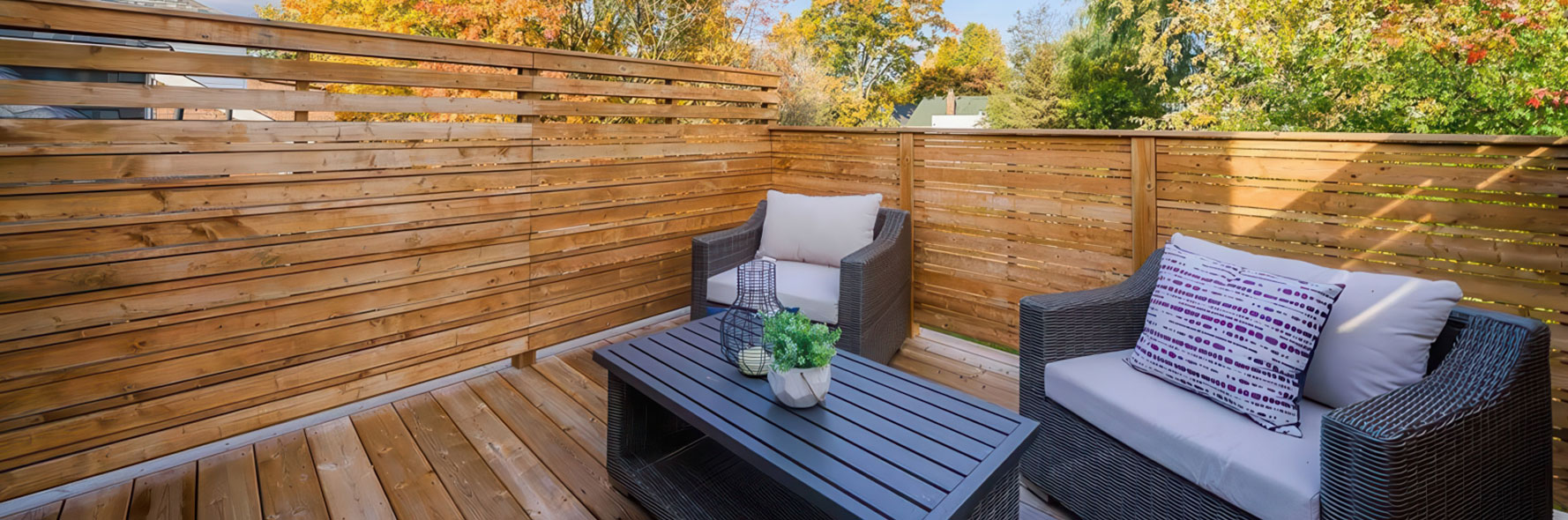
Winter is incredibly hard on wood structures. The constant moisture and salt can cause boards to warp, nails to pop, and posts to shift in the soft spring soil. If your fence is leaning or your deck feels a bit "spongy" underfoot, now is the time to plan.
Why book now?
Permitting: Navigating Toronto's building permits takes time; starting now means you'll be building while the weather is perfect.
Material Prep: We can source premium cedar or composite materials before the mid-summer shortages hit.
Be Ready for June: There’s nothing worse than wanting to host a BBQ and realizing your deck is a safety hazard or your fence is falling into the neighbour's yard.
Connect with us today and let’s make 2026 the year your home gets the upgrades you deserve.
Sign Up for Updates
Thank you!
Your submission has been received.
Oops!
Something went wrong while submitting the form.
Insights, Ideas & Inspiration for Your Home
Explore the Craftsman Experience.
A resource for Toronto homeowners looking to make the most of their home improvement journey.
From practical maintenance tips to design inspiration and renovation insights, we share expert advice to help you plan with confidence and create a home you truly love.
You will receive outstanding communication and professional service from our trusted team of industry experts. We will guide you through the renovation process from start to finish with dedication to always providing our clients a positive building experience.
The foundation of a significant renovation is built long before a shovel hits the dirt. We believe in relationships and putting people first. You have our guarantee on this.
Let's collaborate and start working on your next great home improvement project.