Battling the Big Melt: Understanding and Solving Ice Dams in Toronto Homes
Understand how ice dams form on Toronto homes, the short-term steps homeowners can take to reduce damage, and the long-term solutions like improved insulation, ventilation, and air sealing that prevent costly winter water issues.
Read Time
10 minutes
Last Updated
February 20, 2026
Published on
February 20, 2026
Written by
Jeremy Stubbs
Founder
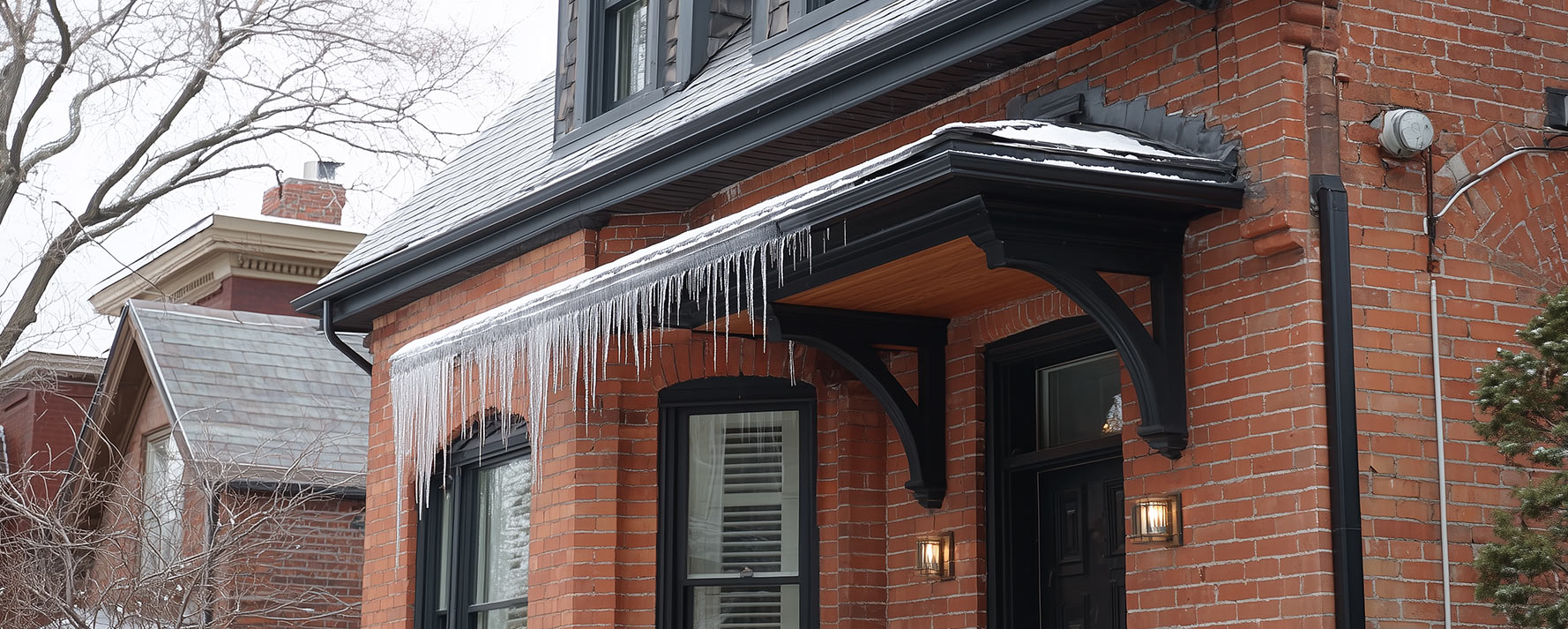
That last snowstorm was a doozy, wasn't it, Toronto? And now, as the temperatures tease us with a thaw, many of you are likely noticing a familiar and unwelcome sight along your rooflines: ice dams. Those thick ridges of ice can look charmingly wintry, but they're a serious problem for your home.
At Craftsman Renovations Ltd, we're educating many concerned homeowners about this, and for good reason. Ice damming isn't just an aesthetic issue; it can cause significant water damage, costly repairs, and wet insulation, which can affect your home's energy efficiency.
Pro tip: A well-insulated roof will retain its snow on top, whereas a poorly insulated one will melt that same snow load relatively quickly. While walking around, have a look and see if you can spot the difference. There is a direct correlation with the formation of ice dams. The well-insulated one may still experience some ice damming, but the severity will be significantly reduced, thereby reducing the risk to the home. Well-insulated and well-ventilated areas will be easy to spot.
What Exactly is an Ice Dam and Why Does it Form?
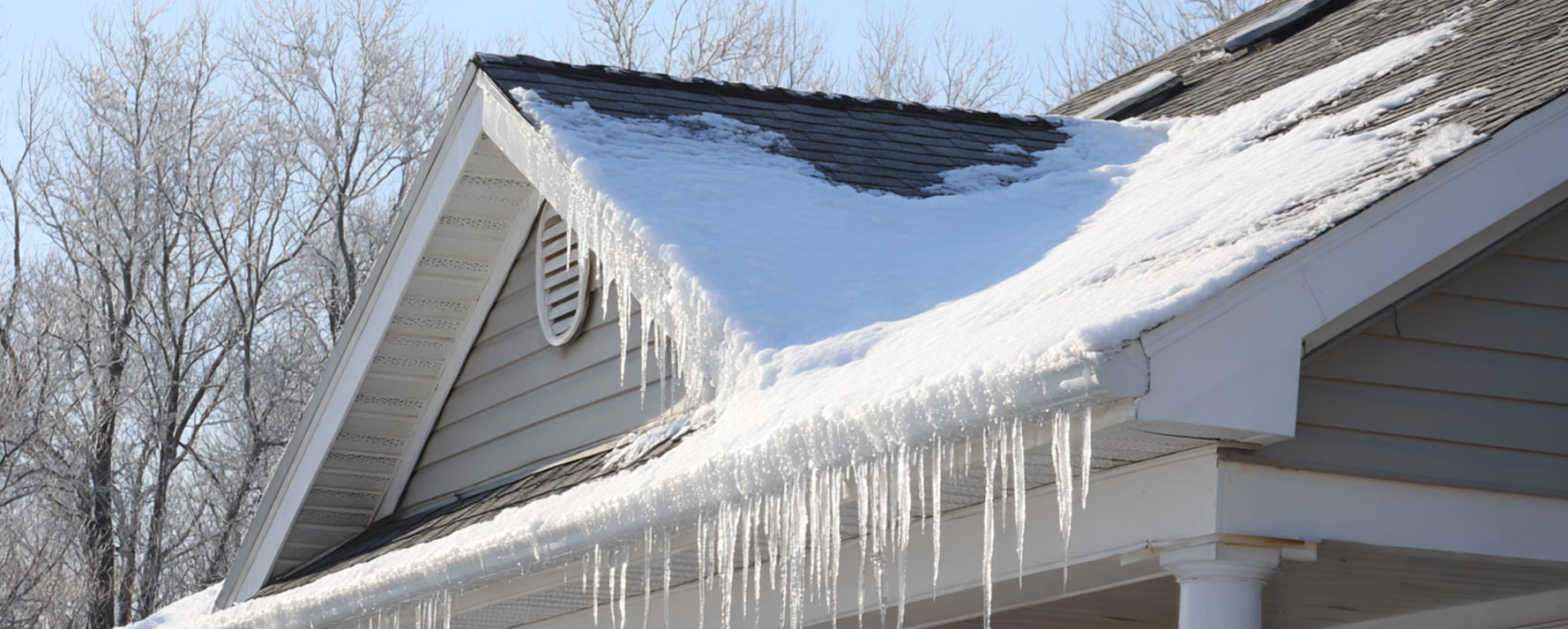
An ice dam is essentially a build-up of ice at the edge of your roof, usually just above the gutters. It forms when heat from inside your home escapes into the attic, warming the roof deck and melting the snow on top. This melting water then runs down the roof until it reaches the colder eaves, which are typically unheated and at ambient outdoor temperatures. Here, it refreezes, creating a dam. As more snow melts, the water backs up behind the ice dam and cannot drain off the roof. At this point, it can enter the building envelope and cause damage.
The Danger: Trapped water can seep under your shingles and into your attic, walls, and ceilings leading to:
Water stains and damage to interior finishes
Rotting wood and structural issues
Mould and mildew growth
Compromised insulation effectiveness
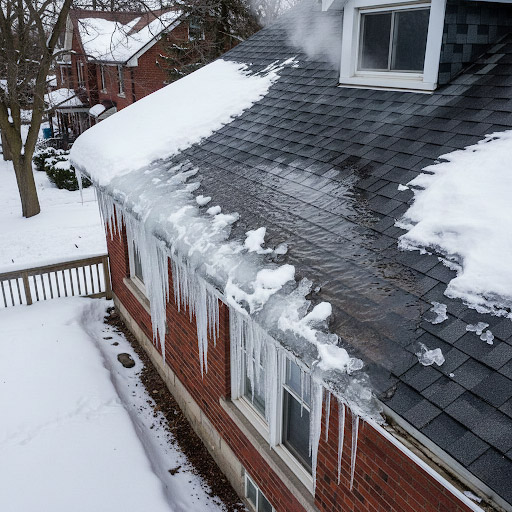
Here's what an ice dam can look like forming on a roof:
Short-Term Fixes: What You Can Do Now
If you're seeing ice dams currently, here are some immediate steps you can take to mitigate the damage:
Clear Snow from the Eaves (Safely): Carefully use a roof rake to remove snow from the lower 3-4 feet of your roof. Doing so removes the "fuel" for the ice dam and can help relieve some pressure. Never climb a ladder or onto your roof in icy conditions. If you can't reach safely from the ground, call a professional.
Create Channels in the Ice (Carefully!): You can try to melt channels through the ice dam to allow water to drain. Fill old nylon stockings or pantyhose with calcium chloride ice melt (rock salt can damage your roof and landscaping) and lay them across the ice dam, perpendicular to the eave. The calcium chloride will slowly melt channels through the ice. Do NOT use a hatchet or other sharp tools to chip away at ice dams, as you can severely damage your roof.
Improve Attic Ventilation (Temporary): If you have accessible attic vents, ensure they are not blocked by snow from the outside. Temporarily opening a scuttle hole or attic access panel can sometimes help reduce attic temperature slightly, but this is a very minor, temporary measure.
Call a Professional: For severe ice dams, especially if water is actively entering your home, the safest and most effective solution is to call a professional. In extreme cases, some contractors use specialized steam equipment to safely and quickly remove ice dams without damaging your roof.
Long-Term Solutions: Preventing Ice Dams in the Future
While short-term fixes are reactive, the proper solution to ice damming is to address the root causes: heat loss from your home into the attic and inadequate ventilation. This is where Craftsman Renovations can provide lasting solutions and plan for improvements:
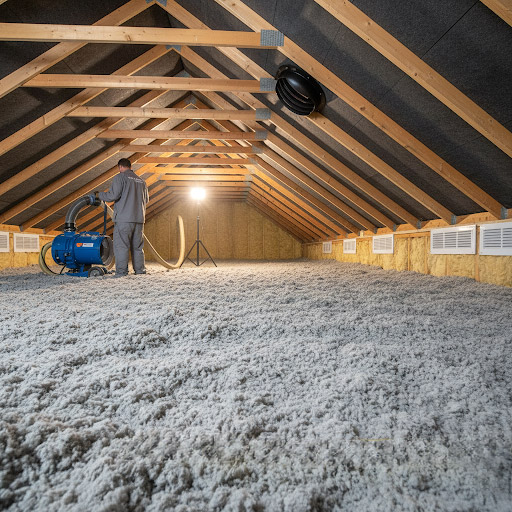
Enhance Attic Insulation: The most critical step is ensuring sufficient, properly installed insulation in your attic floor. This insulation acts as a barrier, preventing heat from your living space from rising into the attic and warming the roof deck. We can assess your current insulation levels and recommend upgrades to meet current building codes and energy-efficiency standards.
Improve Attic Ventilation: A well-ventilated attic creates a continuous flow of cold outdoor air through the attic space, keeping the roof deck temperature closer to the outside air temperature. This control of roof temperature results in less snowmelt. We can inspect your existing ventilation system (soffit vents, ridge vents, gable vents) and recommend improvements to ensure proper airflow from the eaves to the ridge.
Seal Air Leaks: Heat doesn't just travel through insulation; it also escapes through gaps and cracks in your ceiling and attic floor. This poses a particular challenge in older homes, such as those built in the Toronto area. These common culprits include openings around light fixtures, plumbing stacks, electrical wiring, and attic hatches. We can identify and seal these air leaks, preventing warm, moist air from entering your attic.
Consider an Ice & Water Shield: When replacing your roof, one must ensure that an "ice and water shield" membrane is installed by the roofing contractor under the shingles along the eaves and in valleys. This self-adhering membrane provides an extra layer of protection, preventing water from penetrating the roof deck even if it backs up behind an ice dam. This should not be viewed as an upgrade, but rather as a necessary step to protect your investment.
Heated Gutter and Downspout Systems: For persistent problem areas, electric heating cables or heated gutter systems can be installed along the eaves and in downspouts to actively melt ice and ensure proper drainage.
Don't Let Ice Dams Dampen Your Winter!
Ice dams are a common problem in Toronto's harsh winters, but they don't have to be a recurring nightmare for your home. By understanding their causes and taking both immediate and long-term preventative measures, you can protect your investment and enjoy a warmer, drier winter.
Sign Up for Updates
Thank you!
Your submission has been received.
Oops!
Something went wrong while submitting the form.
Insights, Ideas & Inspiration for Your Home
Explore the Craftsman Experience.
A resource for Toronto homeowners looking to make the most of their home improvement journey.
From practical maintenance tips to design inspiration and renovation insights, we share expert advice to help you plan with confidence and create a home you truly love.
You will receive outstanding communication and professional service from our trusted team of industry experts. We will guide you through the renovation process from start to finish with dedication to always providing our clients a positive building experience.
The foundation of a significant renovation is built long before a shovel hits the dirt. We believe in relationships and putting people first. You have our guarantee on this.
Let's collaborate and start working on your next great home improvement project.